


Summer of 1776: What Was Happening?

Updated: Jul 6
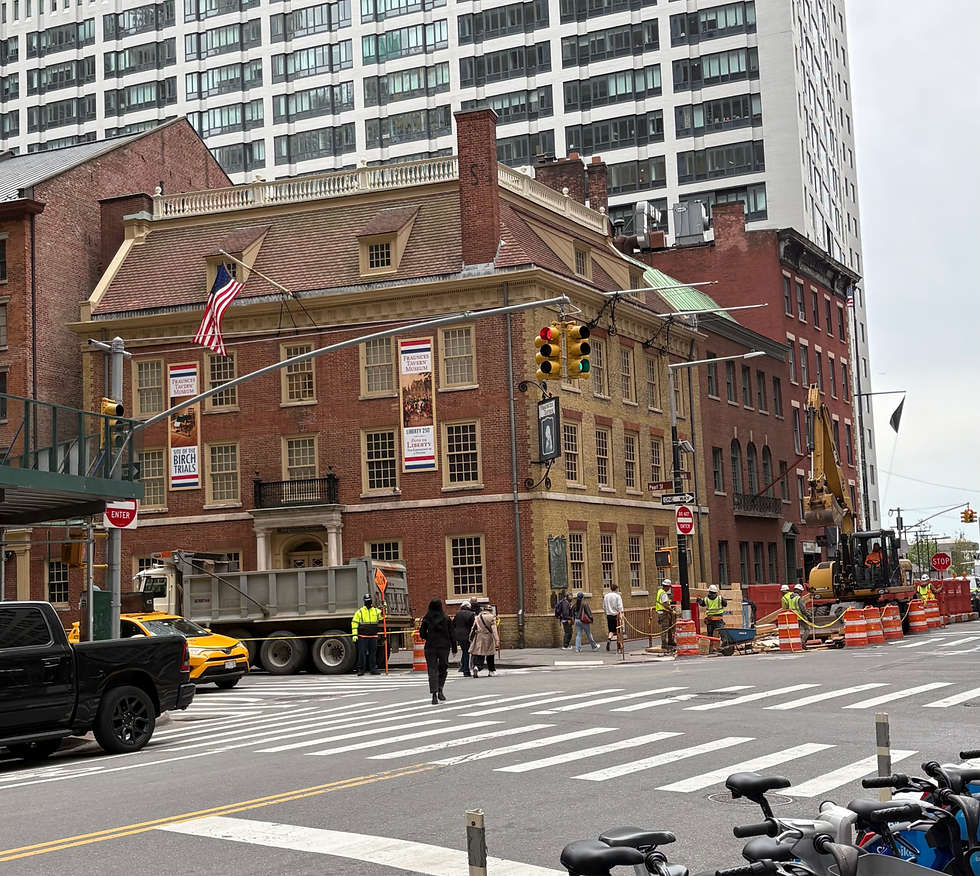
So where were the patriots as of mid-summer 1776? Let's find out.
The Second Continental Congress
Two-hundred and fifty (250) years ago in late June 1776, state delegates to the Continental Congress in Philadelphia debated Jefferson's draft of The Declaration of Independence (DOI). Jefferson was the key person in the Committee of Five (Adams, Franklin, Livingston, and Sherman as well!) who were charged with creating this liberating and/or treasonous document. They would agree to it on July 2 and ratify it on July 4th, and that is the date they put on the document. Most signed it on August 2, after it had been struck onto parchment.

Washington Moves Around A Lot
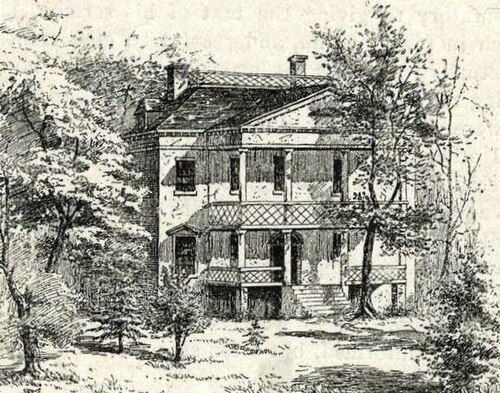
Meanwhile, Washington's headquarters were briefly in lower Manhattan and then he went north to Richmond Hill in the present day Greenwich Village area for part of the summer until he re-located once again to Brooklyn. June was also the month when an elaborate plot by the British to kidnap and asassinate Washington was foiled.
Norwich
Joshua and Andrew Huntington continued to dispatch many vessels from Norwich's Landing down to Manhattan, via New London, with ordnance, fresh troops, provisions, and other army supplies.
Jabez Huntington was frequently up in Lebanon at the War Office with Trumbull or down in New London trying to fortify it for expected invasion that would not come for another six years. Jedediah and Ebenezer were in Manhattan war planning and drilling troops.

The Build Up for War
Thus, Norwich and Manhattan were hives of military activity from March to late August 1776. The Continental troops created forts on hills, redoubts, trenches, hospitals, army camps, all over the island in anticipation of a British invasion. They did this with all the army equipment and supplies that had been stationed in 3-4 camps in the Boston area up until April 1776.
Troops would have been arriving every day in Manhattan as the summer progressed. It was the largest troop buildup for the entire war. Massachusetts and Connecticut continued to supply the most soldiers.
Boatloads of supplies and provisions arrived daily from Norwich and New London and other Connecticut ports to slips on the swirly estuary called the East "River."

Supply Deliveries to Ezekiel Cheever, Head of Artillery
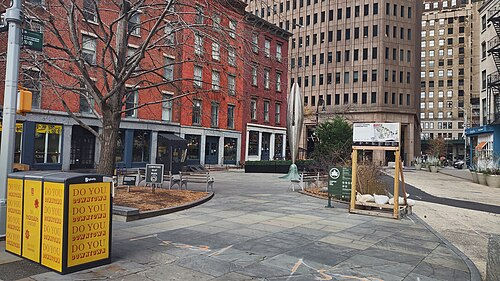
These were the names of the landing "slips" that welcomed Norwich-based cargos: Whitehall, Burling, Coenties, Peck, Old, Catherine, and Market slips. Remsen's and Codwise wharves were also located on the East River estuary in 1776. None of these wharves remain because this area was filled in later.
What Does Staten Island Have to Do with Anything?
The British fleet arrived en masse to Staten Island on July 2nd on the very day the delegates of the Philly Congress verbally ratified the DOI. (The signing would not occur until August 2nd after the document was done up on parchment, etc)

In the meantime Elisha Huntington of Norwich had probably arrived at one of the East River (remember really just an estuary) slips in a sloop called "Nancy." It carried an important cargo of captured British carbines (Seven chests!) and army clothes.

These carbines had been captured in May from the British ship "Hope" off the coast of Boston Harbor. The crew didn't get the message that the British had left Boston! Everyone wanted these carbines but in the end, Washington got them and he ordered Artemas Ward to dispatch them from Boston to New York via Norwich. To see more about this story see: https://www.americanrevolutioninstitute.org/masterpieces-in-detail/captured-british-light-dragoon-carbine/

The East River Today

The Future
The Battle of Brooklyn/Long Island took place on Aug. 27th. It was a doozy and is the subject of my next post.


Comments